Korean Bibimbap
Highlighted under: Fusion Ideas
Korean Bibimbap is a vibrant and nutritious dish that combines rice, vegetables, and protein, topped with a fried egg and spicy gochujang sauce.
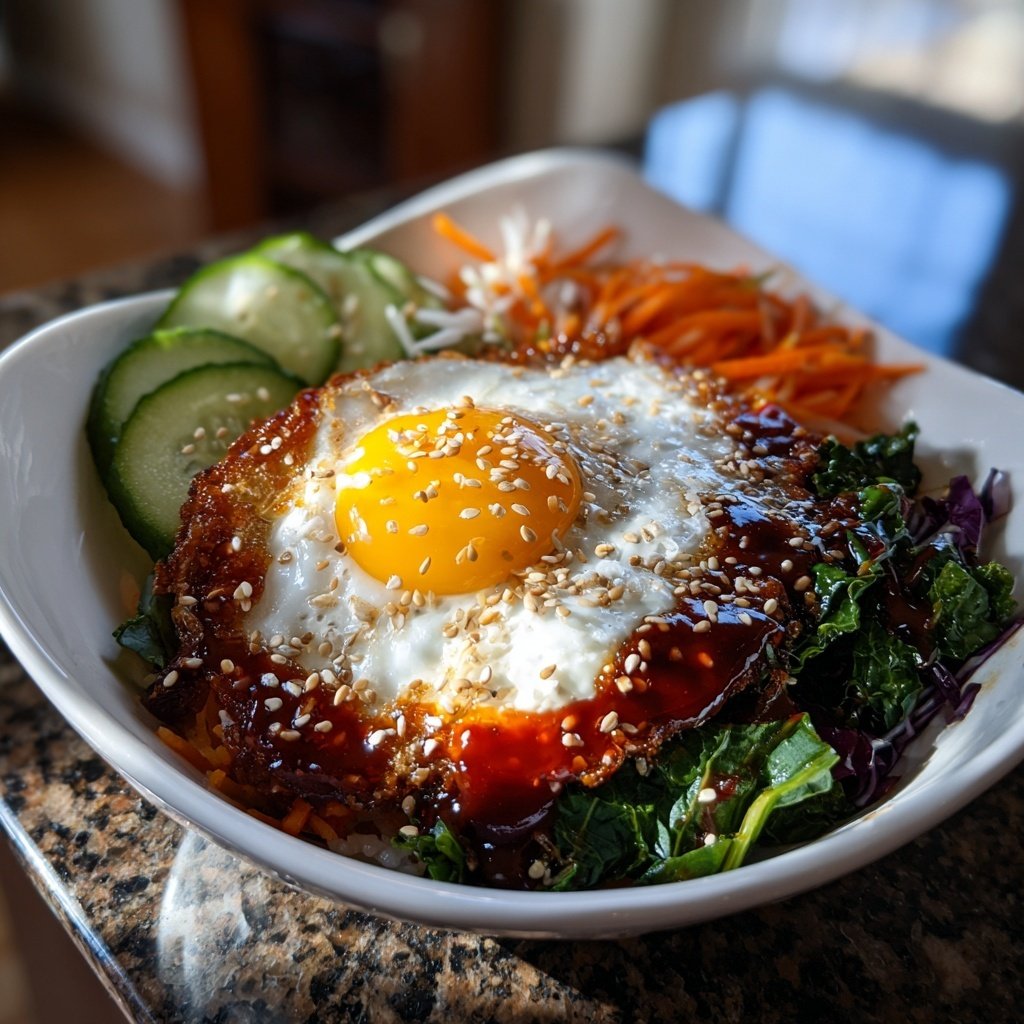
Korean Bibimbap is not just a meal; it's a celebration of colors and flavors. Originating from Korea, this dish is loved for its harmony of textures and tastes, making it a popular choice at family gatherings and celebrations.
Why You Will Love This Recipe
- A colorful array of fresh vegetables and proteins
- Customizable to your taste with various toppings
- Deliciously spicy with the perfect kick from gochujang
The Essence of Bibimbap
Bibimbap is more than just a meal; it's a vibrant expression of Korean culinary culture. The name itself means 'mixed rice,' and the dish features a delightful combination of ingredients that come together for a visually stunning presentation. Traditionally served in a hot stone bowl, the rice crisps up at the bottom, providing a satisfying texture contrast to the fresh and cooked vegetables. Each bite offers a harmony of flavors, colors, and nutrients, making it a wholesome dish that appeals to the senses.
The beauty of Bibimbap lies in its versatility. You can customize it according to your preferences or dietary needs. Whether you prefer tofu, beef, or chicken for your protein, or wish to pile on more vegetables, this dish allows for creative freedom. It's an excellent way to use up leftover vegetables from your fridge, making it an economical choice for busy home cooks.
Nutritional Benefits
Korean Bibimbap is a powerhouse of nutrition. The base of white rice provides carbohydrates for energy, while the variety of vegetables adds essential vitamins, minerals, and fiber. Spinach, for instance, is rich in iron and antioxidants, while carrots contribute beta-carotene, essential for eye health. Each ingredient not only enhances the flavor but also elevates the nutritional profile of the dish.
Adding a fried egg on top increases the protein content, making it a balanced meal that can sustain you throughout the day. Gochujang, the spicy fermented chili paste, adds not just flavor but also probiotics, promoting gut health. This dish embodies the principle of eating a rainbow, ensuring that you receive a wide array of nutrients in every bite.
Tips for the Perfect Bibimbap
To create the best Bibimbap, start with freshly cooked rice. Ideally, use short-grain rice, which becomes sticky and holds together well when mixed with the toppings. If you're short on time, consider using a rice cooker for perfectly cooked rice every time. The key is to allow the rice to rest after cooking, which helps achieve the ideal texture.
When preparing your vegetables, don't rush the sautéing process. Each vegetable should be cooked separately to retain its unique flavor and texture. This technique not only enhances the taste but also maintains the vibrant colors of the dish. Finally, don't forget to adjust the level of gochujang to your liking; it can be made milder or spicier depending on your taste preference.
Ingredients
For the Bibimbap
- 2 cups cooked white rice
- 1 cup spinach, blanched
- 1 cup bean sprouts, blanched
- 1 cup carrots, julienned and sautéed
- 1 cup zucchini, julienned and sautéed
- 1 cup shiitake mushrooms, sautéed
- 4 eggs
- 4 tablespoons gochujang
- 2 tablespoons sesame oil
- Salt to taste
Feel free to add your favorite ingredients or proteins to personalize your Bibimbap!
Instructions
Prepare the Rice
Cook the white rice according to package instructions. Once done, fluff it with a fork and set aside.
Sauté the Vegetables
In a skillet, sauté each vegetable (carrots, zucchini, mushrooms) separately in sesame oil until tender. Season with a pinch of salt.
Cook the Eggs
In the same skillet, fry the eggs sunny-side up until the whites are set but yolks remain runny.
Assemble the Bibimbap
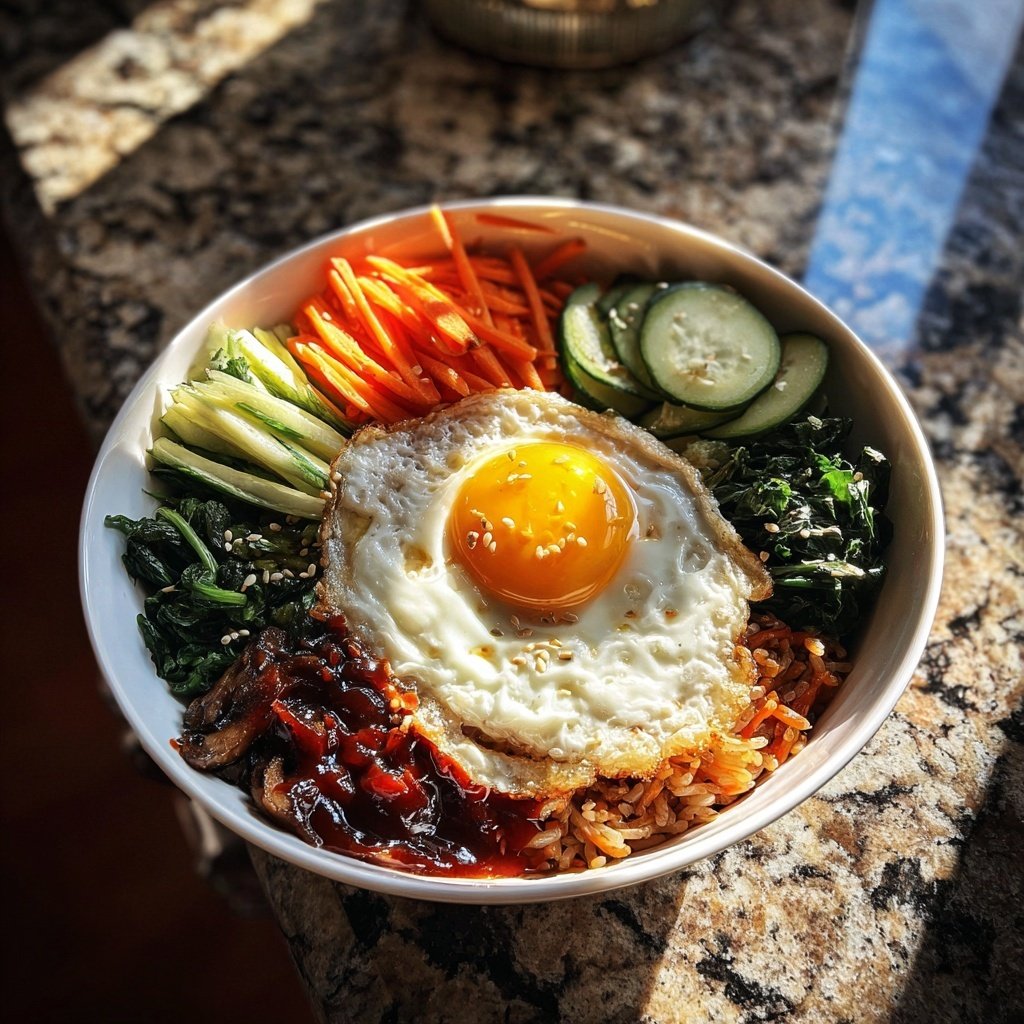
In a large bowl, layer the cooked rice at the bottom. Arrange the sautéed vegetables, spinach, and bean sprouts on top. Place the fried egg in the center and drizzle with gochujang.
Serve
Mix everything together before eating. Enjoy your homemade Korean Bibimbap!
Serve immediately with extra gochujang on the side for those who enjoy more spice!
Pro Tips
- For added flavor, sprinkle sesame seeds or chopped green onions on top before serving.
Serving Suggestions
Korean Bibimbap can be served as a standalone dish or paired with traditional side dishes known as banchan. Kimchi, pickled vegetables, or a simple cucumber salad complement the flavors perfectly and add an extra crunch. For a more filling meal, consider serving it alongside grilled meats or tofu. The combination of textures and flavors will elevate your dining experience.
For those who enjoy a spicy kick, consider offering additional gochujang on the side or a drizzle of sesame oil for an extra layer of flavor. Remember, the beauty of Bibimbap lies in its flexibility, so feel free to experiment with different accompaniments to suit your taste.
Storing Leftovers
If you find yourself with leftover Bibimbap, you're in luck! This dish stores well in the refrigerator, making it a convenient option for meal prep. To store, simply keep the components separate to maintain their freshness. The rice and vegetables can be stored in airtight containers for up to three days. When you're ready to enjoy it again, reheat the rice and vegetables together in a skillet for a quick meal.
For optimal flavor, consider cooking a fresh egg each time you serve the leftovers. This adds a delightful touch and ensures the dish tastes just as good as the first time. Bibimbap is a fantastic option for a quick lunch or dinner, allowing you to savor its deliciousness even on busy days.
Questions About Recipes
→ Can I make Bibimbap vegetarian?
Absolutely! Just omit the egg or use a plant-based alternative.
→ What can I substitute for gochujang?
You can use sriracha mixed with a bit of soy sauce as an alternative.
→ How can I store leftovers?
Store leftovers in an airtight container in the fridge for up to 3 days.
→ Can I use brown rice instead?
Yes, brown rice is a great healthier alternative and adds a nutty flavor.
Korean Bibimbap
Created by: Etta Langton
Recipe Type: Fusion Ideas
Skill Level: Intermediate
Final Quantity: 4 servings
What You'll Need
For the Bibimbap
- 2 cups cooked white rice
- 1 cup spinach, blanched
- 1 cup bean sprouts, blanched
- 1 cup carrots, julienned and sautéed
- 1 cup zucchini, julienned and sautéed
- 1 cup shiitake mushrooms, sautéed
- 4 eggs
- 4 tablespoons gochujang
- 2 tablespoons sesame oil
- Salt to taste
How-To Steps
Cook the white rice according to package instructions. Once done, fluff it with a fork and set aside.
In a skillet, sauté each vegetable (carrots, zucchini, mushrooms) separately in sesame oil until tender. Season with a pinch of salt.
In the same skillet, fry the eggs sunny-side up until the whites are set but yolks remain runny.
In a large bowl, layer the cooked rice at the bottom. Arrange the sautéed vegetables, spinach, and bean sprouts on top. Place the fried egg in the center and drizzle with gochujang.
Mix everything together before eating. Enjoy your homemade Korean Bibimbap!
Extra Tips
- For added flavor, sprinkle sesame seeds or chopped green onions on top before serving.
Nutritional Breakdown (Per Serving)
- Calories: 550 kcal
- Total Fat: 22g
- Saturated Fat: 5g
- Cholesterol: 186mg
- Sodium: 600mg
- Total Carbohydrates: 72g
- Dietary Fiber: 5g
- Sugars: 3g
- Protein: 18g