Spacious Chicken Run With Shade Cover
Highlighted under: Simple Ideas
I recently built a chicken run that combines both space and a shaded area to keep my chickens comfortable all day long. We often think about the chicken coop, but creating an ideal run is just as essential. With this design, my birds have enough room to roam and get some fresh air while staying protected from the sun during peak hours. It’s been a rewarding project that not only benefits my flock but also adds a charming feature to my backyard.
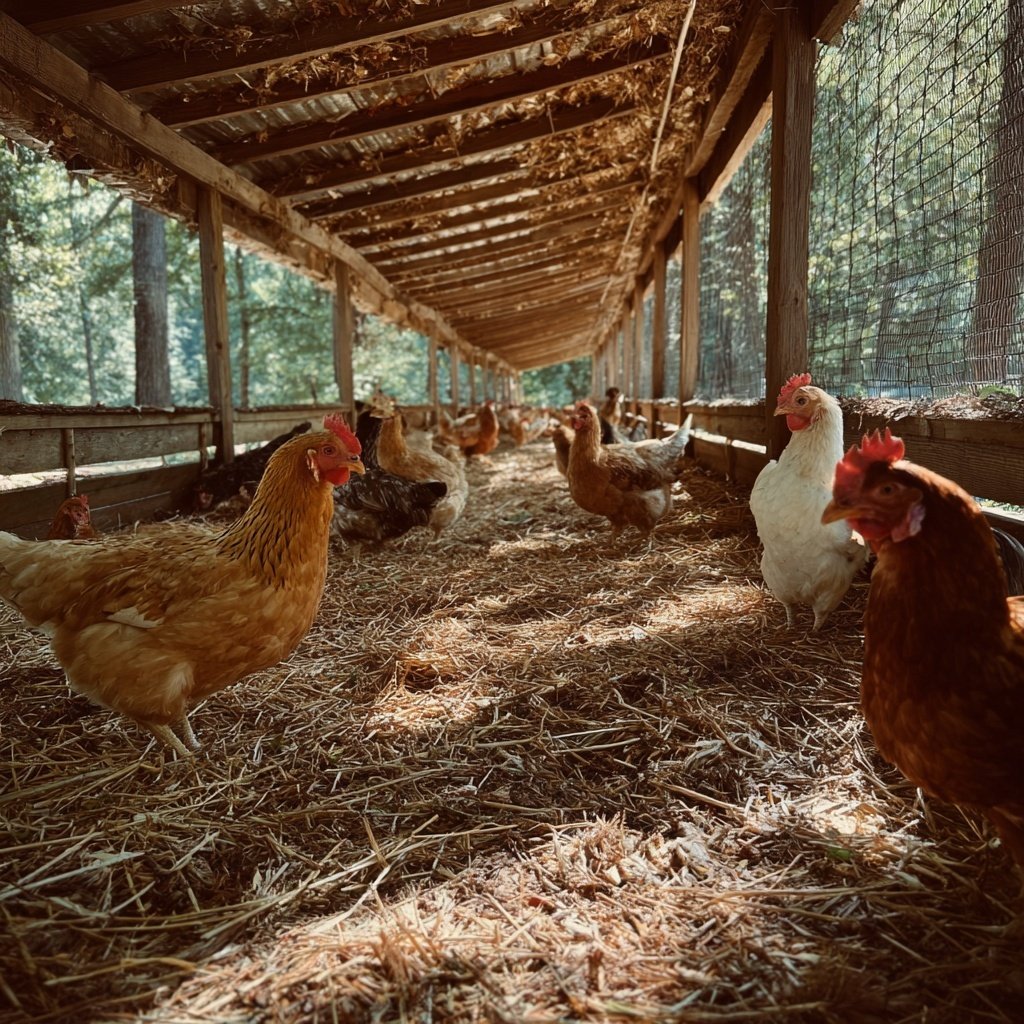
Building the chicken run was more than just a necessity; it was a fun project that taught me a lot about animal husbandry. I experimented with different layouts to make sure my hens had plenty of space to roam while being safe from predators. The real breakthrough came when I added a shade cover, utilizing a simple tarp which effectively blocks the harsh sun.
During the process, I discovered that ensuring proper ventilation was key for my chickens' health. I angled the cover in a way that allowed for airflow while providing ample shade. This not only creates a cooler environment but also encourages them to stay active throughout the hot summer months.
You Will Love This Chicken Run Because
- Spacious design offering plenty of room for your chickens to roam
- Effective shade cover protects against harsh sun while allowing fresh air circulation
- Simple materials and methods make it a rewarding DIY project
Design Considerations
When designing your chicken run, think about the layout and the flow of space. A spacious run not only allows chickens to engage in natural behaviors, such as scratching and foraging, but also contributes to their overall health and happiness. I recommend aiming for a minimum of 10 square feet per chicken; this ensures they can move freely and reduce stress-related issues. Use sturdy fences, ensuring they are at least six feet tall to prevent any escapes or predator invasions.
Incorporating shade is equally important, especially in warmer climates. Choose a material that reflects sunlight, like a lightweight tarpaulin or mesh fabric, to cover part of the run. It helps mitigate heat during the hottest parts of the day while allowing for adequate airflow. Consider the sun's path through the day and orient the shade cover accordingly, as this can significantly affect the temperature and comfort of the chickens.
Material Selection
The materials you use will influence both the durability and functionality of your chicken run. Opt for treated lumber for the frame to resist weather wear, and galvanized wire mesh for the sides. This combination creates a solid barrier against predators while preventing escapes. I find that using hog panels is particularly effective for the structural support of the run, providing both sturdiness and a sense of openness for the chickens to feel secure yet free.
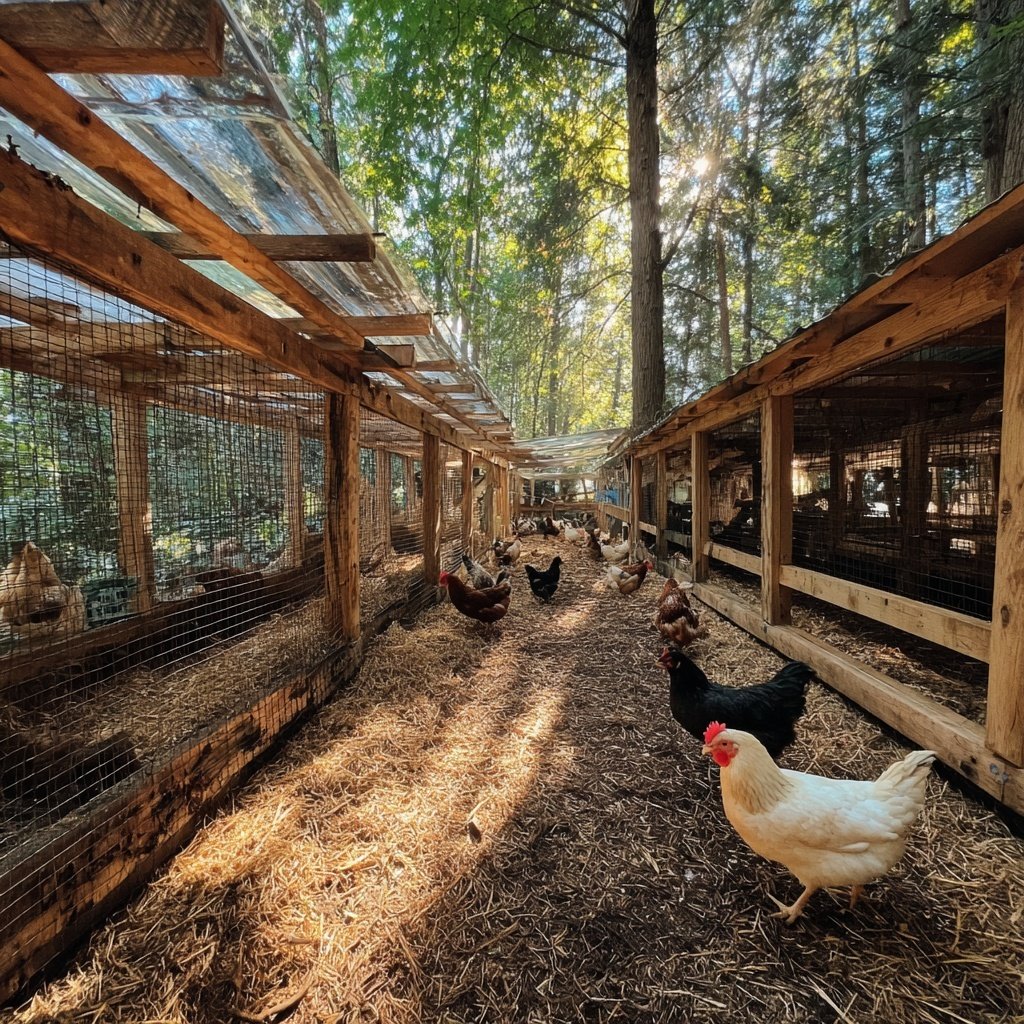
For the roof, a clear polycarbonate sheeting can be a good option as it lets natural light in while providing protection from rain. This material reduces the need for extra lighting during cloudy days. However, if you live in an area with heavy snowfall or rain, consider a slightly sloped roof design to prevent water accumulation. Make sure to secure all panels tightly to avoid any gaps where a chicken might squeeze through or predators might gain access.
Maintenance Tips
Maintaining your chicken run is just as crucial as building it. Regular inspections for any wear and tear, especially in the fencing or roof, help keep your flock safe. Spend a few minutes each week checking for rust spots on metal surfaces or decaying wood. You can also implement a routine cleaning schedule to remove droppings and leftover food, thus preventing infestations and the spread of diseases. A clean run contributes to healthier chickens and a more pleasant environment.
If you live in a wet area, consider adding a layer of substrate like straw or wood chips in the run. This helps absorb moisture and provides a soft surface for the chickens to walk on. Aim to refresh the bedding every couple of weeks or as needed, depending on how quickly it decomposes in your climate. It's an easy way to control odors and enhances the comfort of the space.
Pro Tips
- Ensure that the shade cover is secured properly to withstand winds. Regularly check the area for any potential hazards such as sharp edges or holes.
Innovative Features
Adding innovative features like a dust bath area can significantly improve your chickens' well-being. Dust baths are essential for their grooming habits and help manage parasites. Designate a small area in the run filled with dirt or sand, ideally in a shaded corner, so it remains dry. Chickens will instinctively know this is their sanctuary and spend time there, which keeps their feathers healthy and can reduce the need for commercial treatments.
You can also include natural elements such as logs or large rocks inside the run. These not only serve as perches but also provide enrichment by encouraging your chickens to explore and interact with their environment. Rotate these elements every few weeks to keep the area stimulating. This kind of engagement is crucial for preventing boredom and promoting social interactions among the flock.
Future Expansion Ideas
If you foresee expanding your flock in the future, consider planning for scalability in your run. Designing modular sections allows you to easily add space as needed without extensive reconstruction. Think about an adaptable layout where new areas can be incorporated seamlessly. This foresight makes managing a larger flock easier and prevents overcrowded conditions that could lead to stress and aggression among chickens.
Another future-proofing option is to install removable dividers inside the run. This feature permits the segregation of different chicken breeds or pullets for proper integration. These dividers can be made from lightweight panels that can easily be set up or taken down, providing both flexibility and safety during the transitional periods.
Questions About Recipes
→ What materials do I need to build the chicken run?
You will need wooden posts, wire fencing, a tarp for shade, and basic tools like a hammer and saw.
→ How much space does each chicken need in the run?
Plan for at least 10 square feet per chicken to ensure they have enough room to move around.
→ Can I use an old parachute as a shade cover?
Yes, an old parachute can work well for a shade cover, offering both protection from the sun and durability.
→ How often should I clean the run?
It's best to clean the chicken run at least once a week to maintain hygiene and prevent illness.
Spacious Chicken Run With Shade Cover
Created by: Etta Langton
Recipe Type: Simple Ideas
Skill Level: Intermediate
Final Quantity: 1 chicken run
Extra Tips
- Ensure that the shade cover is secured properly to withstand winds. Regularly check the area for any potential hazards such as sharp edges or holes.
Nutritional Breakdown (Per Serving)
- Calories: 0 kcal
- Total Fat: 0g
- Saturated Fat: 0g
- Cholesterol: 0mg
- Sodium: 0mg
- Total Carbohydrates: 0g
- Dietary Fiber: 0g
- Sugars: 0g
- Protein: 0g