Cake Recipes With Pantry Staples
Highlighted under: Oven Ideas
I love baking cakes, especially when I can use ingredients I already have at home. There’s something incredibly satisfying about turning basic pantry staples into a delightful dessert that the whole family can enjoy. From simple flour and sugar to eggs and baking powder, these recipes are easy to whip up in no time. I often find myself experimenting with different flavors and textures, which makes every baking session feel like a small adventure in the kitchen.
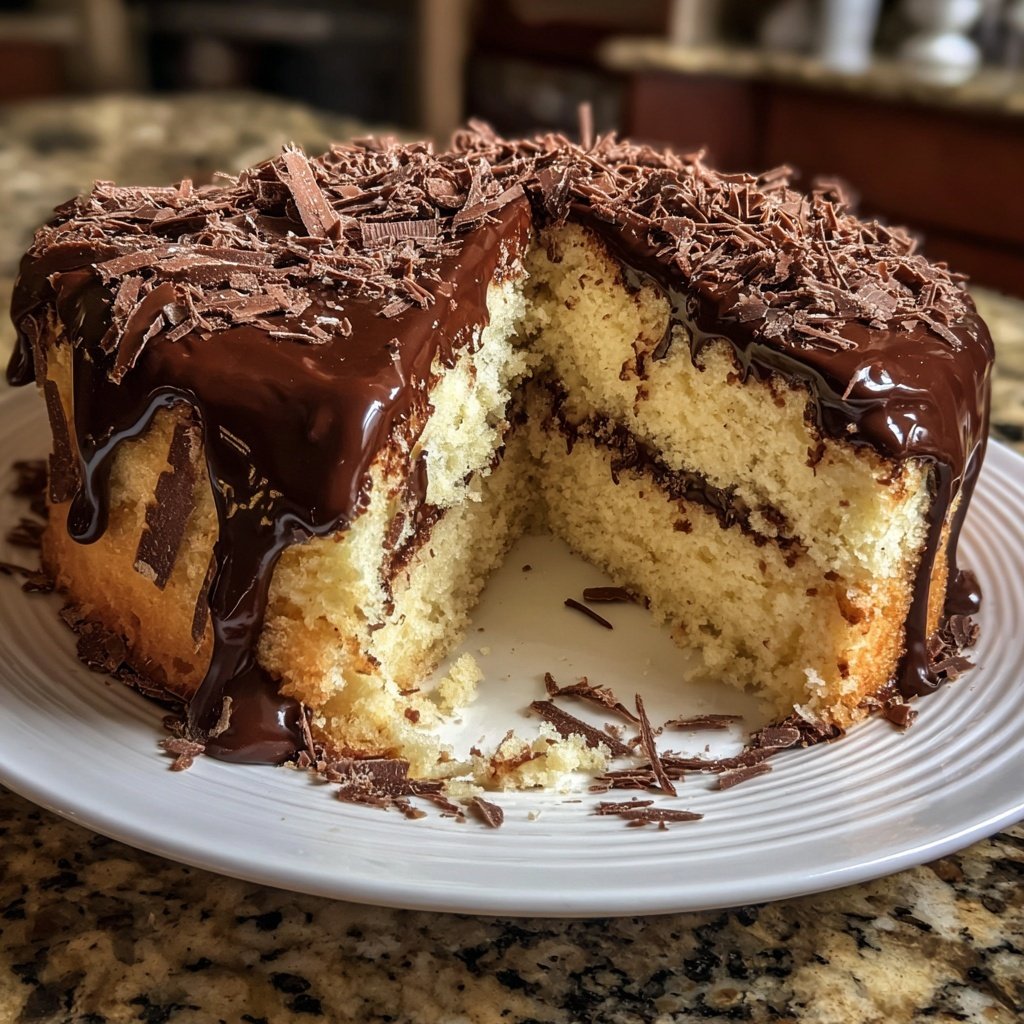
On a rainy day, I decided to create a cake using only pantry staples. I rummaged through my kitchen and discovered a mix of flour, sugar, and some overripe bananas. I transformed these simple ingredients into a moist banana bread cake that surprised even me with its flavor. The baking process filled my home with a warm, inviting aroma which made the wait totally worth it.
As I experimented, I learned the importance of not over-mixing the batter; it can lead to a dense cake. Instead, I gently folded the ingredients together, allowing the cake to rise beautifully. This method ensures a fluffy texture that I just can't resist!
Why You Will Love This Recipe
- Quick and easy to make with minimal ingredients
- Versatile; can be customized based on what you have
- Perfect for beginner bakers to showcase their skills
Ingredient Roles and Tips
Each ingredient plays a crucial role in achieving the perfect cake. The all-purpose flour provides the structure, while granulated sugar not only sweetens but also helps retain moisture, resulting in a tender crumb. I find that using room temperature ingredients, particularly the milk and eggs, helps the batter combine more smoothly, leading to a uniform texture and rise. Don't skip on softening the butter; it should be creamy, not melted, to create a light and fluffy mixture when beaten.
Baking powder and baking soda function as leavening agents, interplaying to create lift. If you're in a pinch and lack baking powder, you can use a combination of baking soda and vinegar or lemon juice. This substitution can maintain the cake's fluffiness. Additionally, ensure you thoroughly whisk the dry ingredients together; this not only mixes them well but also helps distribute the leavening agents evenly.
Troubleshooting Common Issues
Sometimes, cakes can turn out dense or fail to rise properly. This may occur if the batter is overmixed after adding the dry ingredients. To avoid this, mix just until you don't see dry flour anymore. Also, ensure your leavening agents are fresh—expired baking powder won't provide sufficient lift. If you notice that your cake has domed in the middle, this could indicate an overly high baking temperature; using an oven thermometer can help double-check your oven's accuracy.
Should you find that your cake sticks to the pan after baking, be generous with the greasing process. I recommend using butter or a non-stick spray in combination with a light dusting of flour on the pan. Alternatively, lining the bottom of the pan with parchment paper can help it release easily. If you do end up with a slightly overbaked crust, a layer of frosting or a simple syrup can mask this and add back moisture.
Serving and Variations
Once your cake has cooled, consider serving it plain with a dusting of powdered sugar for a simple yet elegant presentation. If you’d like to elevate your dish, pairing it with fresh fruit or whipped cream can provide a refreshing contrast. A rich buttercream frosting or cream cheese frosting also works beautifully, and you can add cocoa powder or lemon zest to customize the flavor of your icing.
For those who want to try new flavors, consider adding spices like cinnamon or nutmeg, or even diced fruits like apples or berries into the batter. These variations not only enhance the flavor but also introduce delightful textures. If you want to scale this recipe up for a larger gathering, simply multiply the ingredient amounts and use a larger cake pan or multiple pans, adjusting the baking time as needed to ensure an even bake throughout.
Ingredients
Basic Cake Ingredients
- 2 cups all-purpose flour
- 1 cup granulated sugar
- 1 teaspoon baking powder
- 1/2 teaspoon baking soda
- 1/4 teaspoon salt
- 1/2 cup unsalted butter, softened
- 3 large eggs
- 1 cup milk
- 1 teaspoon vanilla extract
These ingredients will create a delicious cake that is sure to impress!
Instructions
Preheat the Oven
Preheat your oven to 350°F (175°C) and grease a 9-inch round cake pan.
Combine the Dry Ingredients
In a bowl, whisk together the flour, baking powder, baking soda, and salt until well combined.
Cream the Butter and Sugar
In another bowl, beat the softened butter and sugar together until light and fluffy.
Add the Eggs and Vanilla
Add the eggs one at a time to the butter mixture, mixing well after each addition. Stir in the vanilla extract.
Combine Wet and Dry Mixtures
Gradually add the dry ingredients to the wet mixture, alternating with the milk until you reach a smooth consistency.
Bake the Cake
Pour the batter into the prepared cake pan and bake for 25-30 minutes, or until a toothpick inserted in the center comes out clean.
Cool and Serve
Let the cake cool in the pan for 10 minutes before transferring it to a wire rack. Once cool, you can frost if desired or serve plain.
Enjoy your homemade cake as a delightful dessert or a special treat!
Pro Tips
- Feel free to add any extra flavorings or mix-ins like chocolate chips, nuts, or fruit to personalize your cake.
Storage and Make-Ahead Tips
This cake can be made a day ahead, which helps the flavors meld together even more. Store it in an airtight container at room temperature, allowing it to stay moist. If you plan on keeping it longer, refrigeration is an option, but it can dry out the cake. Just wrap it tightly in plastic wrap to preserve its texture. You can always bring it back to life by lightly warming it in the microwave for about 10 seconds before serving.
If you want to freeze the cake, wrap slices individually in plastic wrap and then place them in a resealable bag. This way, you can enjoy a slice whenever you have a craving for cake. When ready to eat, thaw in the refrigerator overnight or on the counter for a couple of hours. Do remember to add frosting after thawing, as it’s best applied to freshly baked cake for optimal texture.
Substitutions and Dietary Swaps
For a dairy-free option, substitute the milk with almond or coconut milk and replace the butter with coconut oil or a vegan butter alternative. The texture might vary slightly, but the cake will still be delicious. Should you need a gluten-free version, all-purpose gluten-free flour blends often work well, though adding an extra egg or a tablespoon of xanthan gum may help mimic the structure provided by wheat flour.
If you're watching sugar intake, you can experiment with natural sweeteners like maple syrup or honey, adjusting the liquid content in the recipe accordingly. When using honey, reduce the amount by about 25% as it's sweeter than sugar. For additional flavor complexity, try adding a tablespoon of citrus zest or a splash of almond extract to the batter for a unique twist that personalizes your cake further.
Questions About Recipes
→ Can I substitute the butter with oil?
Yes, you can use vegetable oil instead of butter for a moist cake, but it will slightly change the flavor.
→ How do I store leftover cake?
Store leftover cake in an airtight container at room temperature for up to 3 days or in the fridge for up to a week.
→ Can I freeze this cake?
Absolutely! Wrap the cooled cake tightly in plastic wrap and place it in the freezer for up to 3 months.
→ What can I use instead of eggs in this recipe?
You can use flax eggs or applesauce as a substitute for eggs for a vegan version.
Cake Recipes With Pantry Staples
What You'll Need
Basic Cake Ingredients
- 2 cups all-purpose flour
- 1 cup granulated sugar
- 1 teaspoon baking powder
- 1/2 teaspoon baking soda
- 1/4 teaspoon salt
- 1/2 cup unsalted butter, softened
- 3 large eggs
- 1 cup milk
- 1 teaspoon vanilla extract
How-To Steps
Preheat your oven to 350°F (175°C) and grease a 9-inch round cake pan.
In a bowl, whisk together the flour, baking powder, baking soda, and salt until well combined.
In another bowl, beat the softened butter and sugar together until light and fluffy.
Add the eggs one at a time to the butter mixture, mixing well after each addition. Stir in the vanilla extract.
Gradually add the dry ingredients to the wet mixture, alternating with the milk until you reach a smooth consistency.
Pour the batter into the prepared cake pan and bake for 25-30 minutes, or until a toothpick inserted in the center comes out clean.
Let the cake cool in the pan for 10 minutes before transferring it to a wire rack. Once cool, you can frost if desired or serve plain.
Extra Tips
- Feel free to add any extra flavorings or mix-ins like chocolate chips, nuts, or fruit to personalize your cake.
Nutritional Breakdown (Per Serving)
- Calories: 310 kcal
- Total Fat: 12g
- Saturated Fat: 7g
- Cholesterol: 60mg
- Sodium: 150mg
- Total Carbohydrates: 47g
- Dietary Fiber: 1g
- Sugars: 22g
- Protein: 4g